
Today’s digital-first world, businesses are more connected than ever before. From cloud storage and e-commerce platforms to online banking and remote work tools, technology is deeply embedded in daily operations. But with this digital transformation comes a growing threat: cyberattacks.
Cybersecurity is no longer just an IT concern—it’s a business-critical issue. Whether you’re running a small startup or a large enterprise, ignoring cybersecurity can put your finances, reputation, and customer trust at risk.
The Rising Threat of Cybercrime
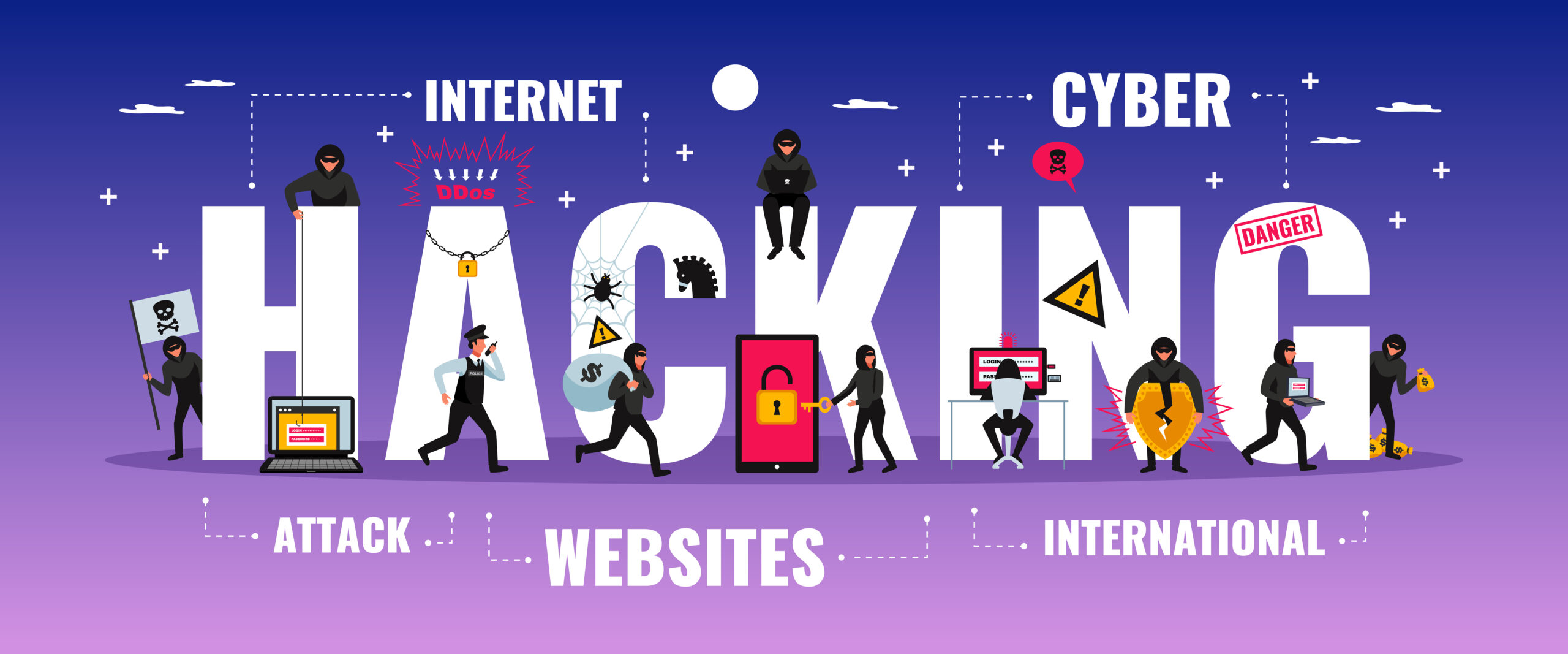
Cybercrime is increasing at an alarming rate. Hackers and cybercriminals are constantly finding new ways to exploit vulnerabilities in networks, websites, and systems.
- Data Breaches: Sensitive customer information such as credit card details, personal data, and passwords are prime targets.
- Ransomware Attacks: Businesses are being locked out of their systems and forced to pay huge sums to regain access.
- Phishing Scams: Employees are tricked into revealing confidential information through deceptive emails or websites.
According to recent reports, global cybercrime damages are projected to cost businesses over $10 trillion annually by 2025. This makes cybersecurity one of the most urgent issues for every organization.
Why Small and Medium Businesses Are at Risk
Many small and medium-sized businesses believe that hackers only target large corporations. Unfortunately, that’s a dangerous myth. In fact, SMEs are often the easiest targets because they lack robust cybersecurity defenses.
- Limited IT budgets make it harder to invest in advanced security systems.
- Lack of employee training leaves staff vulnerable to phishing and social engineering.
- Outdated software and weak passwords open doors for hackers.
A single cyberattack can cost a small business thousands of dollars and, in some cases, force it to shut down permanently.
Cybersecurity and Customer Trust
In the digital economy, trust is everything. Customers expect businesses to protect their personal data, and any breach can severely damage a company’s reputation.
- Loss of Customers
- Legal Consequences
- Brand Damage
Prioritizing cybersecurity is not just about compliance—it’s about safeguarding your brand’s credibility.
Key Cybersecurity Practices Every Business Should Implement
To protect your business in today’s digital world, you need a strong cybersecurity strategy. Here are essential steps every organization should take:
- Strong Password Policies
- Regular Software Updates
- Data Encryption
- Employee Training
- Firewall & Antivirus Solutions
- Regular Backups
Even simple practices like these can drastically reduce the chances of a cyberattack.
Cybersecurity as a Business Investment
Instead of seeing cybersecurity as an expense, businesses should view it as a long-term investment. The cost of implementing strong security is far less than the potential losses caused by a data breach.
- Reduced Financial Losses
- Improved Customer Confidence
- Compliance and Regulations
In short, investing in cybersecurity means investing in the future resilience of your business.
The Future of Cybersecurity
As technology evolves, so do cyber threats. Businesses must stay ahead by adopting emerging technologies like:
- Artificial Intelligence (AI)
- Zero Trust Security
- Cloud Security Solutions
The businesses that embrace modern cybersecurity practices will be the ones that thrive in the digital age.
Conclusion
Cybersecurity is not optional—it’s a necessity for survival and growth in today’s interconnected world. From safeguarding financial data to protecting customer trust, every business must prioritize strong security measures.
At Softnoid , we specialize in building secure, scalable, and reliable digital solutions. Whether you need a secure website, mobile application, or enterprise-level IT system, our team ensures that cybersecurity is at the core of everything we deliver.
Don’t wait for a cyberattack to highlight your vulnerabilities. Start securing your business today.